


Snowella
4.399.00 Reviews
App Specs
- Version
- 1.0.5
- Updated On
- License
- Free
- Downloads
- 50,000+
- Developer
- Liu Lian
- Categories
- Personalization
- Platform
- Android
Screenshots
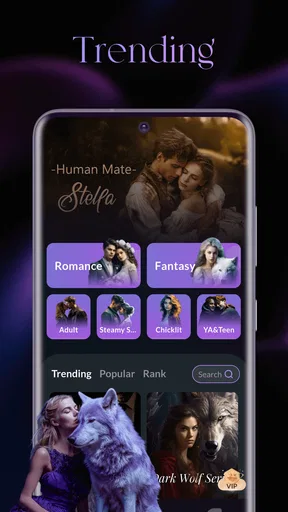
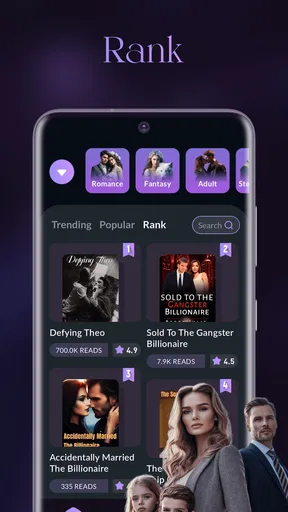
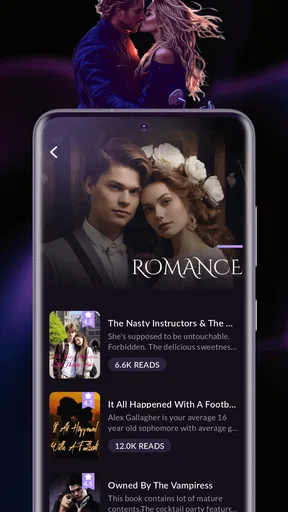
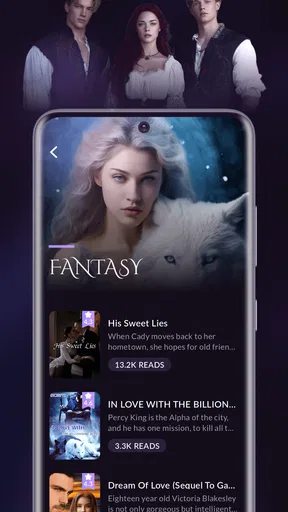
 Analysis by AppCompare
I tried Snowella as a reading-focused personalization app, and my first impression was that it sits in an unusual space. Its store summary points toward gaining knowledge through reading, while its short description is simply “Snowella,” so the practical experience is less about a clearly explained toolkit and more about discovering how the app fits into a personal or shared-device routine. I would not approach it as a full family organizer or a conventional reading library. I see it as a lightweight way to bring reading into the background of everyday device use, provided everyone using the device understands what it is for.
That distinction matters in a household. On a phone or tablet passed between people, an app can easily become a shared object even when it was designed around one person’s habits. I found Snowella most interesting in that setting: one person can use it for quiet learning, while another may only encounter it occasionally. The experience works best when the household agrees on who is using it, what kind of content is appropriate, and whether the app is being treated as a private reading space or a communal one.
How Snowella Fits Into Shared Reading at Home
Imagine a tablet sitting in the kitchen or living room. One person uses it in the morning to read for a few minutes, another picks it up later, and a younger family member may ask what the app is. Snowella can belong in that routine because its central idea is simple: open the app and spend time reading rather than scrolling aimlessly. I like that concept, especially for people who want a small learning habit without committing to a large course or a complicated productivity system.
The challenge is that a shared device changes the meaning of personalization. If different people use the same screen, the app may feel less personal than it would on an individual phone. Reading preferences, progress, or the general flow of use can become mixed together if people do not separate their sessions themselves. I would therefore treat it as a shared reading surface, not as a multi-person household account. That is a useful expectation to set before anyone relies on it for individual tracking.
For a parent and teenager, the most natural use would be a short reading window after school or before dinner. The adult can use the app independently, while the teenager decides whether the material suits their interests. I would avoid turning it into a forced homework tool. Snowella’s appeal is strongest when reading feels self-directed. If someone is already reluctant to read, presenting the app as another obligation may make the experience feel less inviting.
A second realistic scenario is a couple sharing a tablet while traveling. One person reads during a break, then hands it over to the other. This works well if the goal is simply to encourage useful screen time. It becomes less convenient if both users expect separate histories, carefully organized personal recommendations, or a clean record of what each person has read. In that case, a dedicated reading platform with clearly separated profiles would be a better fit.
My practical advice is to decide what success means before installing it. If success means “we spend a few minutes reading instead of opening another social app,” Snowella may be worth trying. If success means “each member of the household gets a fully private learning dashboard,” I would be more cautious. The app’s identity is compact and understated, and that makes it easy to try, but it also means the household has to supply some of the structure.
Worth Reading Before You Choose

EA SPORTS FC Mobile 26 Is a Bigger Football Game, but It Takes Time

Flipboard Shows What News Apps Must Do Beyond the Feed

Switching to Android Auto Means Rethinking Your Driving Routine

Google Calendar Makes a Crowded Week Easier to Manage

Ludo King Makes the Most of the Minutes Between Plans

Baby Panda World Brings Quick Play to Modern Phones, but Its Game Library Feels Busy
What the first session feels like
Snowella is free to install, which lowers the barrier for a quick test. I would begin with one person using it alone, even if the long-term plan is to share a device. That first session helps establish whether the reading experience feels comfortable, whether the material holds attention, and whether the app suits the device’s owner. It also prevents a household from making assumptions based only on the phrase “gain knowledge through reading.” Reading apps can differ greatly in tone and depth, and the actual fit matters more than the category label.
The developer is Liu Lian, and the current version is 1.0.5. I mention the version because early app experiences can feel more like a starting point than a finished ecosystem. I would keep expectations realistic: install it, explore the reading flow, and then decide whether it deserves a regular place on a shared screen. I would not reorganize a family’s entire learning routine around it after one quick look.
There are also in-app purchases ranging from $0.99 to $99.99 per item. That is the main point where shared-device use needs a clear boundary. “Free” does not mean every optional part of the experience is free, so I would not hand the device to a child and assume purchases cannot become a concern. Before anyone else uses it, the account holder should understand how optional purchases appear and make sure the device’s normal purchase safeguards are active.
Setting boundaries without pretending the app has family controls
I did not approach Snowella as though it offered a built-in family management system. Instead, I would create boundaries around the device itself. The simplest approach is to let one adult handle installation and purchasing, then explain to other users that the app is for reading and that any purchase requires permission. This is not a Snowella feature; it is a household routine, and that difference should remain clear.
For a shared tablet, I would also agree on a basic handoff rule. The person finishing a session should leave the app in a neutral place rather than assuming the next user wants to continue the same material. That small habit reduces confusion and avoids the feeling that one person has taken over another person’s reading space. If the app presents content that is too personal or unsuitable for someone else in the household, the device owner should be the one deciding whether shared use is appropriate.
The mature 17+ content rating deserves attention before a family installs the app on a device used by younger people. I would not interpret that rating casually or rely on a child’s ability to skip material. Adults should review the app’s suitability for the actual age group using the device and keep the rating in mind when deciding whether it belongs on a communal screen. For an adult-only or older-teen household, the rating may be less of a practical obstacle. For a home with children, it is a reason to use a separate device or choose a different reading app.
This is one of Snowella’s most important trade-offs. Its learning-oriented purpose may sound broadly suitable, but the age context changes the recommendation. A mature rating does not automatically make an app bad, yet it does make casual family sharing harder. I would rather be clear about that at the beginning than discover the mismatch after the app has become part of a child’s daily routine.
Coordinating use when everyone wants the same device
Coordination is less about technical tools and more about timing. In my experience, shared apps work better when they have a natural place in the day. A short morning session for an adult, a quiet afternoon session for an older teenager, or a few minutes before bed can prevent the app from competing with urgent household tasks. Snowella is easier to recommend when it becomes a small repeatable habit rather than another icon that everyone promises to use.
One useful workflow is to give each person a different purpose. An adult might use the app for general learning, while a student uses it to explore a topic outside school. That division helps people judge the experience on their own terms instead of arguing over whether the app is universally interesting. It also makes the shared device feel less chaotic because each session has a reason.
I would avoid using the app as a family scoreboard. Unless everyone has clearly separated personal spaces, comparing who read more can create more friction than motivation. A better approach is to share discoveries verbally: one person mentions an interesting idea, and another decides whether to explore it. This turns Snowella into a conversation starter without requiring the app to manage the household.
Another practical tip is to keep a simple external note if multiple people are using the same device and want to remember topics. That may sound old-fashioned, but it prevents mixed progress from becoming a source of confusion. I would not expect a shared session to preserve a clean personal history for every user. If personal records are essential, individual devices or an app built around separate profiles will be more reliable.
There is also a privacy angle to coordination. Even without assuming any particular account or permission system, I would not let family members use another person’s personal device casually. A communal tablet is one thing; a private phone is another. Snowella should fit within the same boundaries you use for other reading, account, and payment apps. The app does not remove the need for ordinary device discipline.
Age, trust, and the difference between learning and supervision
The mature rating changes how I would recommend Snowella across age groups. For adults, the main question is whether the reading experience is useful enough to justify another personalization app. For older teenagers, the question becomes whether the content and device arrangement are appropriate. For children, I would generally skip placing it on a freely shared device unless an adult has already checked the experience and established close supervision.
That recommendation is not a criticism of the reading concept. It is about trust and context. A learning label does not tell me that every piece of content will suit every member of a family, and the age rating is a clear signal to take the surrounding environment seriously. Parents who want a controlled educational experience should look for a service designed specifically around children, guardians, and separate profiles instead.
For a trusted older teen, Snowella could be a reasonable invitation to read independently. I would frame it as an optional resource rather than a monitoring tool. The teen should know that the app is being offered for personal growth, not installed so an adult can inspect every reading choice. That distinction can determine whether the app feels supportive or intrusive.
For adults sharing a device, trust is simpler but still important. One user should not assume that another wants their reading activity exposed, interrupted, or rearranged. If the app becomes part of a couple’s routine, a quick conversation about personal sessions and purchases is enough to avoid most misunderstandings. The more private the reading material, the more sensible it is to keep use on an individual device.
I would also be careful with the word “knowledge.” Reading can be valuable, but the app should not be treated as a substitute for a structured course, professional advice, or careful research. If someone needs verified academic material, citations, or a formal learning path, a library resource or specialized education platform would be a stronger choice. Snowella makes more sense as an accessible reading companion than as an authority on every subject.
How it compares with familiar alternatives
Compared with a standard e-book reader, Snowella appears more focused on discovery and general learning than on managing a personal book collection. A conventional reader is usually the better option when you already own specific books, need precise bookmarks, or want a predictable long-form reading workflow. I would choose Snowella when I want to open something and begin exploring, not when I am protecting a carefully organized library.
Compared with a news app, Snowella is potentially calmer because its purpose is tied to reading for knowledge rather than following a fast-moving stream. A news service is better for current events and frequent updates, while Snowella is more suitable for someone who wants reading to feel less reactive. The trade-off is that a news app makes its role obvious; Snowella’s compact presentation may require more personal experimentation before you know whether it matches your interests.
Compared with a study app, Snowella is likely to feel less demanding. That can be a strength for casual learners who dislike quizzes, schedules, or achievement systems. It is also a weakness for students who need measurable progress, revision reminders, or a syllabus. I would not replace a serious study tool with it, but I can see it working alongside one as a low-pressure way to broaden reading habits.
Compared with a family-focused educational platform, Snowella is less suitable when guardians need strong separation between users or age-specific control. The mature rating makes that distinction especially important. Its best audience is an adult or trusted older teen who can make sensible choices independently, rather than a household looking for a supervised children’s environment.
The most non-obvious advantage is that its simplicity may reduce the pressure to optimize. Some reading apps turn every session into a target, streak, or performance measure. If Snowella lets you approach reading more casually, that can help people who want learning without another demanding dashboard. The corresponding weakness is that users who need structure may feel they are doing the organizing themselves.
What the numbers suggest, and what they do not
Snowella has an average rating of 4.3 from around 420 ratings, with 99 written reviews. That gives me a cautiously positive impression rather than a reason to assume it will suit everyone. Written feedback can reveal more about the reading experience than the average alone, but I would still test the app personally because the category is broad and household needs vary.
It has passed 50K installs, which suggests that it has reached a meaningful group of users without making it a mainstream default. I see that as a reason to approach it as an emerging option: there is enough interest to make trying it reasonable, but not enough familiarity for me to assume that every device user will understand it immediately.
The free entry point helps with experimentation, while the purchase range means the account holder should stay involved. I would use the app for a few sessions before considering any optional spending. In a household, that trial period should include the people who will actually share the device, because an app that works beautifully for one reader may feel confusing or unsuitable to another.
Who should use Snowella, and who should pass
I would recommend Snowella to an adult who wants a gentle reading habit, enjoys discovering knowledge without enrolling in a formal course, and is comfortable judging the experience personally. It may also suit a trusted older teenager with access to a suitable device and a clear understanding of the mature age context. Shared adult use can work when everyone treats the app as a communal reading option rather than a private profile system.
I would skip it for a family seeking child-centered controls, tightly separated accounts, or a guaranteed educational curriculum. I would also choose a different app for someone who already has a large e-book collection and mainly needs excellent library management. Students preparing for exams may benefit more from a structured study platform, and readers who want current reporting may prefer a dedicated news service.
My strongest practical recommendation is to test Snowella on the device where it will actually be used. Do not judge it only on a personal phone if the real plan is to place it on a family tablet. Check whether the shared routine feels comfortable, decide who is allowed to initiate purchases, and consider the mature rating before younger users gain access. Those decisions will affect satisfaction more than the app’s simple description.
My household verdict
I came away viewing Snowella as a modest, potentially useful reading companion rather than a complete household learning system. Its appeal is the invitation to use reading as a form of everyday personalization, and its free installation makes that invitation easy to accept. I like it best for adults and trusted older teens who can explore independently and who do not need elaborate progress management.
Shared use is possible, but it needs honest boundaries. Keep personal and communal use conceptually separate, involve the account holder in purchases, and do not assume that a reading-focused purpose makes the app suitable for children. The mature 17+ rating is central to the decision, not a detail to overlook.
In the end, I would recommend trying Snowella when your household wants a low-pressure way to make reading part of the day. I would not present it as a family-control solution, a children’s learning environment, or a replacement for a dedicated reader or study platform. Its best role is a simple doorway into independent reading, used with clear expectations and sensible device boundaries.
Pros
- Simple interface makes daily weather checks quick and easy.
- Snow-focused forecasts can help users prepare for winter conditions.
- Useful for planning commutes
- trips
- and outdoor activities in cold weather.
- Lightweight design should work well on many Android and iOS devices.
- Clear weather information can be easier to understand than complex forecast apps.
Cons
- Its usefulness may be limited outside snowy or cold-weather regions.
- Forecast accuracy depends on the quality of its weather data sources.
- May offer fewer general weather tools than full-featured forecast apps.
- Snow alerts could become less relevant during warmer seasons.
- Some features or data may require location access to work properly.
FAQs for Snowella
What is Snowella, and what can I do with the app?
Snowella is a winter-themed mobile app designed to provide an entertaining and visually festive experience. Depending on the version available for your device, it may include snowy scenes, seasonal content, interactive elements, or casual gameplay features. Before downloading, check the current store description because features, supported devices, and the app’s main purpose can vary between updates and platforms.
Is Snowella free to download and use?
Snowella may be available as a free download, but users should review the app-store listing carefully for advertisements, optional purchases, subscriptions, or locked content. A free installation does not always mean that every feature is included at no cost. I recommend checking the pricing section, in-app purchase details, and any trial terms before starting the app, especially if children may use the device.
Does Snowella require an internet connection?
The connection requirements depend on how Snowella delivers its content. Basic screens or some offline features may work without internet, while updates, online content, advertising, account services, or purchases may require a connection. If you plan to use the app while traveling or with limited data, test its offline behavior after installation and review the permissions and store information before relying on it.
Is Snowella safe for children and what permissions does it request?
Snowella’s suitability for children depends on its advertising, interactive content, purchase options, and privacy practices. Parents should review the age rating, developer information, privacy policy, and permissions shown on Google Play or the App Store. If the app requests access that seems unrelated to its features, consider denying it. Parental controls are also recommended when purchases or external links are available.
Which devices support Snowella, and how much storage does it need?
Compatibility can differ between Android and iOS versions, so check the official store page for the latest operating-system requirements before downloading. Snowella may also perform differently on older phones or tablets, particularly if it uses animated graphics or high-resolution seasonal content. Make sure your device has sufficient free storage for the installation and future updates, and download only from an official store.


